

Whatever the job, there's a MaC Agent.
Tap any job to see what that agent does.
Writes the launch posts, the landing copy, the email sequences. Watches what lands and adjusts. Brandlete's whole marketing site was built this way.
Drafts the outreach, tracks the pipeline, and preps you before every call. Books demos and follows up while you're focused elsewhere.
Runs the standing work on a schedule: inbox triage, health checks, weekly digests. The stuff that eats your Monday, done before you wake up.
Pulls the sources, reads them, and hands you a cited answer. Competitive scans, market sizing, a quick read on the founder you're about to meet.
Ships real code: websites, tools, fixes, the whole deploy. Tag a release and it watches the rollout itself until it's live.
Pulls your metrics, builds the chart, and tells you what moved. Traffic, revenue, burn, break-even, on demand.
MaC is your entire team, in Slack. Real work, done by AI agents running in our proprietary harness.
The problem
You can't scale yourself by working more hours.
Every founder hits the same wall. Here's the gap, and what it actually takes to get past it.
- 01
The ceiling
Your day is fixed. Same hours, same focus, one set of hands. Past a point, working harder stops adding output, and the things only you can do start slipping.
- 02
The gap
Off-the-shelf AI hands you a smart chat box, not a team that ships. The memory, the tools, the guardrails, the part that does real work in your real systems, you're left to wire yourself.
- 03
The need
Leverage that compounds. A system that takes your direction and produces finished work, in your own tools, and gets sharper the longer it runs.

What we mean by leverage
Leverage is output you don't have to produce yourself.
A founder's day has a hard ceiling. Same hours, same focus, one set of hands. Leverage is what lets one operator produce the output of a team without hiring one. You set the direction. The harness does the work: writing the code, sending the notes, watching the deploys, running the routines. Your hours go to deciding what matters, not typing it out.
Who we work with
Founders and operators who'd rather direct than do.
We take on a small number of people at a time. You bring the judgment and the direction. We bring the harness and the team that executes.
A fit
- You're building a real company or product, not experimenting.
- You'd rather direct the work than do every task yourself.
- You want leverage over headcount.
- You move when you see the path, you don't wait for permission.
Not a fit
- You're looking for a cheap AI chatbot.
- You want a tool to play with on the weekend.
- You're not building anything in particular yet.
- You want us to hand you a finished business.
Why founders
The leverage ceiling is highest where one decision moves everything.
A founder decides what gets built, who it's for, and what happens next. That's the seat in a company where leverage compounds the hardest. Give an operator at that seat a team that executes, and a week of their direction turns into a month of output. We focus here because it's where the harness is worth the most.
The part nobody prices in
You're building among founders.
The most undervalued piece of MaC is the room itself. Founders in the same space, helping each other, often just by being seen. Every time one operator does something new with AI where others can watch, the skill spreads without anyone teaching a class. You get sharper by watching. So does everyone around you.
Alone, you learn at your own pace. In the room, you learn at everyone else's, at lightspeed.

What you're actually buying
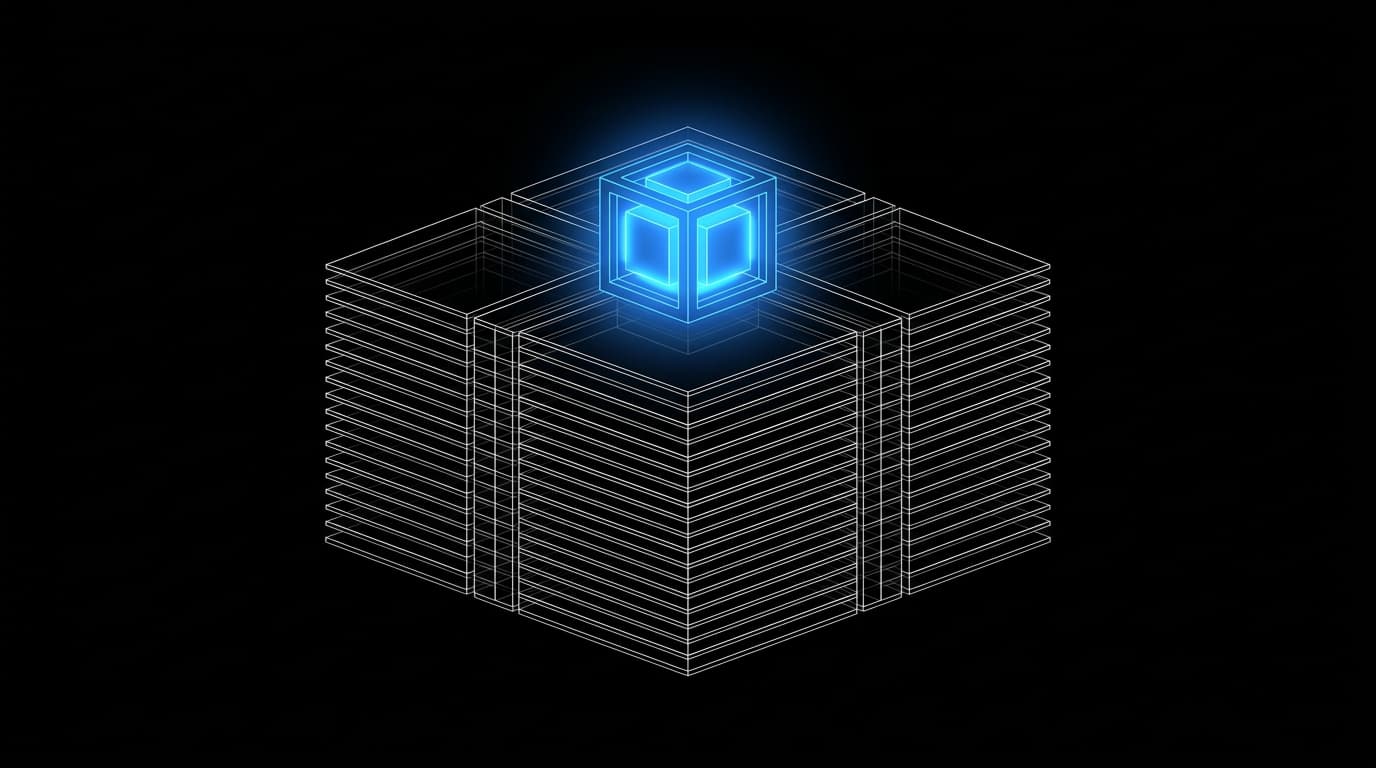
Claude is the car's engine. Our harness is the car's body.
A $100 Claude sub gets you the engine, sitting on the floor. Our proprietary harness is the body around it: the chassis, the wiring, the dashboard, everything that turns it into something your team can actually drive.
Remembers your company.
Files, memory, and decisions live on disk across every message — not stuffed into a 200K-token context window.
Comes with the tools your team already uses.
Deploys, DNS, GA4, Search Console, ship-it, verify, SVG render — pre-wired with scoped credentials. Not "install this MCP and configure it yourself."
Ships code on its own.
Tag a release and the rollout watches itself: image build → gitops PR → ArgoCD → confirmation. New channels onboard via a structured intake flow.
Runs your standing tasks on a schedule.
Scheduler lives outside the spawn, so loops survive pod restarts. Daily inbox cleanup, hourly health checks, on-call nudges — all just JSON.
Lives in Slack, where your team already works.
No new tool to learn, no new terminal to keep open, no context switch.
None of this comes with a Claude subscription. We built it because we needed it ourselves.
How it works
From introduction to building, in four steps.
- 01
Introduction
You send us a note. Every request gets a real read from our team.
- 02
Fit
A short conversation to see if what you're building and how we work line up. Terms are part of this conversation, not a price on a page.
- 03
Setup
We stand up your agents and wire the harness into your tools: your Slack, your email, your files, your deploy pipeline.
- 04
Build
You direct, the team executes, and you build alongside the rest of the portfolio. The harness gets deeper every day you run.
The team that runs it
Two agents back every build.
Ross and Joanne are running this company in Slack right now. The same two would be in yours.


Built by founders, for founders
We built the leverage we wished we had.
We've been the operators trading hours for output. MaC is the harness we built to stop, now opened to a few founders at a time.

Grant Foster
Founder / Builder
View on LinkedInTwelve years shipping production software, from trading systems to real-time sports to point-cloud pipelines, now agent platforms. He built the unglamorous parts of MaC: the orchestration, the integrations, the infrastructure that keeps agents reliable at 3am. Ross, Joanne, and the deploy stack behind them are his.

John Osberg
Co-Founder / Growth
View on LinkedInSeventeen years building partnerships and revenue engines across the PGA of America, Bloomberg, Citigroup, DICK'S, and more, with over $11M generated in partnerships, funding, and sales. At MaC he turns the relationship-to-revenue playbook into AI, so founders compound trust at scale instead of trading hours for it.
FAQ
The questions founders ask first.
Is this open to the public?
No. The incubator is private and inbound only. You come in through an introduction.
How do I get in?
Send a note to john@makeacompany.ai. Our team reviews every request and starts the fit conversation from there.
What does it cost?
We work that out in the fit conversation, once we both know it's a match. The fit comes first, the terms follow.
What is the harness?
The system we build around the AI model: memory, tools, guardrails, and the routines that run on their own. The model is rented and the same for everyone. The harness is ours, and it compounds every day we run.
Who owns what I build?
The builders own what they build. You're building your own company, and it stays yours. The specifics of any engagement are part of the fit conversation.
What's already in the portfolio?
Brandlete, Inc. is the flagship, with Nexus alongside. Brandlete's new site and marketing materials were built inside MaC, and its agents are booking demos and landing new customers. Nexus was built in the platform end to end. The same team would back yours.
Can the agents use my own tools and accounts?
Yes. The harness wires into your calendar, email, files, website, and deploy pipeline with scoped access, so the work happens in your real systems.
Think you belong here?
We take on a small number of founders and operators at a time. If you want to build with real leverage, start with an introduction.
The MaC team reviews every request.